
Are Chinese CNC Machines Any Good? [2026 Complete Analysis]
Your Chinese cnc machine sits idle because you’re afraid to trust it with critical production work. You’ve heard horror stories about quality issues, unreliable controllers, and nonexistent customer support from overseas manufacturers. But you also see competitors cutting costs by 40% using equipment that performs surprisingly well. The gap between perception and reality has never been wider. Chinese CNC technology has transformed dramatically since 2020, with mid-range machines now matching Western precision standards at half the cost. This guide examines real performance data, quality comparisons, and buying strategies to help you make confident equipment decisions.
Understanding Chinese CNC Machine Quality Evolution
Chinese manufacturing has shifted from basic production to advanced engineering. The transformation accelerated after 2018 when government initiatives pushed manufacturers toward quality over quantity. Today’s chinese cnc machine market segments into three distinct tiers that determine reliability and performance outcomes.
Entry-level machines cost between $3,000 and $10,000 but sacrifice build quality for affordability. Mid-range equipment priced from $15,000 to $40,000 offers genuine value with proper component selection. Premium Chinese machines exceeding $50,000 now compete directly with Japanese and German brands using licensed technology partnerships.
Modern Chinese manufacturers implement strict quality control systems including ISO 9001 certification and international safety standards. Leading companies collaborate with European engineering firms to incorporate better designs and superior materials. This partnership approach has dramatically improved reliability metrics across the industry.
Key Performance Indicators of Quality CNC Machines
Machine rigidity determines cutting accuracy and surface finish quality under load conditions. Chinese manufacturers now use heavier cast iron bases and improved structural designs that reduce vibration during operation. Premium models feature granite composite construction similar to Swiss machines for enhanced stability.
Controller technology represents the biggest quality differentiator in modern CNC equipment. Reliable systems include GSK controllers, Syntec units, and licensed Fanuc 0i clones with proven track records. Machines using generic or unnamed controllers typically experience higher downtime and programming difficulties that impact production efficiency.
Spindle specifications require careful verification since manufacturers sometimes inflate RPM ratings without adequate torque backing. Genuine branded spindles from established suppliers include proper certification and verifiable performance specifications. Quality machines provide documentation showing authentic component sourcing rather than vague marketing claims.
Linear motion components directly impact long-term accuracy and maintenance requirements for production equipment. Hiwin linear rails and precision ball screws represent industry-standard components that ensure consistent performance over time. Cheaper alternatives using generic slides wear rapidly under continuous operation and compromise dimensional accuracy.
Best Chinese CNC Machine Categories and Applications
Wood CNC Machine Performance
Wood cnc machine applications have become a primary success story for Chinese manufacturers in recent years. These systems excel at cabinet making, furniture production, and decorative work requiring intricate detail. Specialized wood routers from Chinese brands deliver clean cuts in hardwoods, softwoods, and composite materials.
Quality wood-focused machines feature dust collection systems, automatic tool changers, and optimized spindle speeds for different materials. Pricing ranges from $8,000 for hobby-grade units to $35,000 for professional cabinet shop equipment. The technology gap between Chinese and European wood routers has narrowed considerably since 2022.
CNC Machine Mill Capabilities
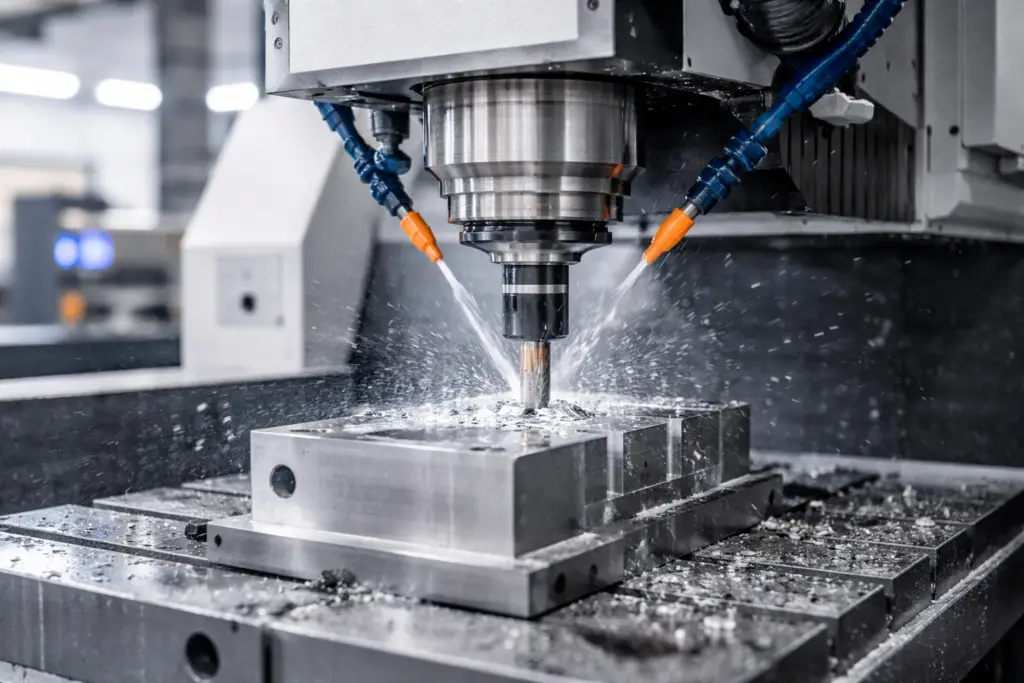
The cnc machine mill category includes vertical machining centers designed for metal cutting and precision manufacturing. Chinese mills now serve automotive, aerospace, and industrial equipment sectors that demand tight tolerances. Mid-range models achieve repeatability within 0.005mm when properly maintained and operated.
Travel capacity typically ranges from 500mm to 1200mm on quality units priced between $20,000 and $60,000. Larger industrial mills with extended travel and automatic pallet changers cost $80,000 to $150,000. These machines use proven Fanuc-compatible controllers and Japanese-standard taper spindles for reliability.
Mill CNC Machine Value Proposition
A mill cnc machine purchase requires understanding total cost of ownership beyond initial price comparisons. Chinese equipment typically costs 40-60% less than equivalent Japanese or German machines with similar specifications. The savings allow businesses to invest in better tooling, fixtures, and support equipment.
Maintenance costs run higher than premium brands but remain acceptable for most production environments. Mean time between failures averages 2,000-3,000 hours for quality Chinese mills versus 3,500-5,000 hours for premium Western equivalents. Proper preventive maintenance extends equipment life and maintains accuracy standards.
Real-World Performance Comparison
| Feature | Chinese Mid-Range | Japanese/German | Chinese Budget |
| Initial Cost | $25,000-50,000 | $60,000-120,000 | $8,000-18,000 |
| Positioning Accuracy | ±0.005mm | ±0.003mm | ±0.02mm |
| Mean Time Between Failures | 2,500 hours | 4,500 hours | 800 hours |
| Controller Quality | GSK/Syntec | Fanuc/Siemens | Generic/Unknown |
| Support Network | Regional dealers | Global coverage | Limited/None |
| Resale Value (5 years) | 35-45% | 50-65% | 10-20% |
This data represents industry averages collected from manufacturing facilities between 2023 and 2025 across multiple sectors. Individual performance varies based on maintenance practices, operating conditions, and application-specific requirements.
Selecting the Right Chinese CNC Machine Manufacturer
Established manufacturers with 10+ years of export experience demonstrate proven track records in quality and support. Companies serving international markets invest in better components and implement stricter quality control compared to domestic-only suppliers. Research manufacturer history through industry forums, trade show participation, and customer references.
Factory visits or third-party inspections reveal actual production capabilities versus marketing promises about advanced facilities. Legitimate manufacturers welcome transparency and provide detailed documentation about component sourcing and assembly processes. This verification step prevents purchasing rebranded budget equipment marketed as premium machinery.
Warranty terms and after-sales support networks indicate manufacturer commitment to long-term customer relationships. Quality suppliers maintain parts inventory, offer technical phone support, and provide English-language documentation for troubleshooting. Regional service partners in your area enable faster response times compared to direct factory support.
Certification documentation including ISO standards, CE compliance, and safety testing validates equipment meets international requirements. These certifications cost manufacturers significant investment and demonstrate commitment to quality standards. Machines lacking proper certification often cut corners on safety features and component quality.
Understanding CNC machine trends helps you evaluate equipment options and make informed purchasing decisions for your shop.
Common Types of CNC Machines Explained
CNC milling machines remove material using rotating cutting tools to create precise shapes and features. These versatile systems handle everything from simple drilling operations to complex 3D contour machining. Vertical mills represent the most common configuration for general manufacturing applications.
CNC lathes rotate workpieces against stationary cutting tools to produce cylindrical parts with high accuracy. These machines excel at shaft work, bearing components, and threaded fasteners requiring tight tolerances. Modern CNC lathes include live tooling for complex operations beyond basic turning.
CNC routers specialize in cutting softer materials including wood, plastics, and composites for furniture and signage. These machines use higher spindle speeds and lighter construction compared to metal-cutting mills. Router applications require less rigidity but demand excellent dust collection systems.
CNC plasma cutters slice through metal sheets using electrically-charged gas for fabrication and metalworking applications. These systems provide cost-effective cutting for steel, aluminum, and other conductive materials. Plasma technology works best for parts not requiring extremely tight tolerances.
CNC laser systems cut or engrave materials using focused light beams for precision marking and cutting. Applications range from sheet metal fabrication to decorative engraving on various substrates. Laser equipment represents significant investment but offers unmatched precision for thin materials.
How CNC Machine Works?
CNC machines operate through computer programs that control tool movement with extreme precision and repeatability. Operators create digital designs using CAD software then convert them into machine-readable G-code instructions. This code tells the machine exactly where to move tools and at what speeds.
The controller interprets G-code commands and sends signals to servo motors that position the cutting tools. These motors use feedback systems to verify actual position matches programmed coordinates within microns. Closed-loop systems constantly adjust for any deviation from intended tool paths.
Workpieces mount to machine tables using fixtures, vises, or custom holding devices that prevent movement during cutting. Proper workholding is critical since any shift during machining ruins part accuracy and potentially damages tools. Experienced operators design fixtures that balance accessibility with secure clamping force.
Cutting tools remove material through controlled motion along multiple axes simultaneously for complex geometries. Three-axis machines move in X, Y, and Z directions while five-axis systems add rotational capabilities. More axes enable producing complicated shapes in single setups that would require multiple operations otherwise.
If you’re still deciding whether investing in CNC technology makes sense, read our full guide onIs a CNC Machine Worth It?
Understanding CNC Machines vs Robots
CNC machines are not robots despite sharing computer control and automated operation characteristics. Robots feature flexible arms that move freely in space while CNC machines use rigid structures. This fundamental difference affects their respective applications and capabilities in manufacturing environments.
Robots excel at handling, assembly, welding, and painting tasks requiring reach and movement flexibility. CNC machines specialize in precise material removal and cutting operations needing rigid, stable platforms. Manufacturing facilities often combine both technologies with robots loading parts into CNC machines automatically.
The programming approaches differ significantly between these automation technologies despite both using computer control. Robot programming focuses on spatial coordinates and movement paths through free space and around obstacles. CNC programming emphasizes tool paths, cutting parameters, and material removal strategies for efficient machining.
Cost structures vary considerably with industrial robots typically starting around $30,000 plus integration expenses for custom applications. Entry-level CNC machines begin at similar price points but mid-range equipment costs significantly more. Both technologies require skilled operators and regular maintenance to maintain productivity and accuracy standards.
Evaluating Chinese CNC Machine Pricing
Chinese cnc machine costs reflect component quality, manufacturing standards, and brand reputation within the competitive market. Budget machines under $15,000 use generic components and minimal quality control resulting in unpredictable performance. These units suit hobbyists and very light-duty applications but frustrate production users.
Mid-range equipment priced between $20,000 and $50,000 provides the optimal value proposition for most manufacturing businesses. This segment uses branded controllers, quality linear guides, and genuine spindles backed by reasonable warranties. Machines in this range handle daily production work reliably when properly maintained and operated.
Premium Chinese machines exceeding $60,000 incorporate licensed technology from Japanese and European partners for enhanced capabilities. These systems compete directly with established brands while maintaining 30-40% cost advantages. High-end Chinese equipment makes sense for operations requiring maximum precision without premium brand budgets.
Total ownership costs include maintenance, tooling, and potential downtime beyond initial purchase price considerations. Chinese machines typically require more frequent maintenance intervals compared to premium brands but parts cost less. Calculate five-year operating expenses rather than focusing solely on upfront investment when comparing options.
Chinese CNC Machine Mill Cost Analysis
| Machine Category | Price Range | Best Applications | Expected Lifespan |
| Budget Wood Router | $5,000-12,000 | Hobby, light production | 3-5 years |
| Mid-Range Mill | $25,000-45,000 | General manufacturing | 8-12 years |
| Premium Metal Mill | $60,000-90,000 | Precision aerospace parts | 12-18 years |
| Industrial Machining Center | $100,000-180,000 | High-volume production | 15-20 years |
These figures represent average market pricing as of early 2025 with significant variation based on specifications. Additional costs include installation, tooling, and training that add 15-25% to base equipment prices.
Critical Factors for Chinese CNC Machine Success
Proper installation and leveling establishes the foundation for long-term machine accuracy and performance characteristics. Professional riggers ensure equipment sits perfectly level and securely mounted to appropriate foundations. Cutting corners during installation leads to premature wear and accuracy degradation over time.
Operator training directly impacts production quality, tool life, and machine longevity through proper programming and operation. Investing in comprehensive training programs pays dividends through reduced scrap, longer tool life, and minimized crashes. Experienced operators extract maximum capability from mid-range equipment that novices struggle with regardless of machine quality.
Preventive maintenance schedules prevent minor issues from becoming major failures that halt production for extended periods. Chinese machines require more frequent attention compared to premium brands but respond well to consistent care. Lubrication, cleaning, and adjustment following manufacturer recommendations dramatically extends equipment life and maintains accuracy.
Quality tooling and proper cutting parameters matter more than machine brand for achieving good results. Premium cutting tools and appropriate feeds and speeds compensate for machine limitations within reason. Conversely, cheap tools produce poor results even on expensive equipment when used incorrectly.
Conclusion
Chinese CNC machines have evolved from questionable budget options to legitimate production equipment when selected carefully. Mid-range machines from established manufacturers deliver reliable performance at prices 40-60% below Western brands. The key to success involves researching manufacturer reputation, verifying component quality, and ensuring adequate local support networks. Quality Chinese equipment serves production shops successfully across multiple industries when operators receive proper training and follow maintenance schedules. Your decision should balance upfront cost savings against long-term reliability requirements and available technical support. The chinese cnc machine market now offers genuine value propositions that deserve serious consideration alongside traditional brands for most manufacturing applications.
Frequently Asked Questions
1)Are Chinese Lathes Any Good?
Reputable Chinese lathes offer reliable performance and value, but very cheap models often lack accuracy.
2)Are CNC Machines Robots?
CNC machines are rigid systems for precise cutting, while robots use flexible arms for handling and movement-based tasks.
3)How does a CNC Machine Work?
CNC machines follow programmed G-code to precisely control tool movement and repeatedly produce accurate parts.
4)What Are the 5 Common Types of CNC Machines?
The five common types of CNC machines include milling machines, lathes, routers, plasma cutters, and laser systems.