
Best Ryobi Planers: Complete 2026 Buying Guide
Are you searching for reliable planers that won’t drain your budget but still deliver accurate results?
Many craftsmen struggle finding affordable tools that actually work well for serious projects and weekend builds. Cheap planers break quickly while premium models cost more than entire project budgets combined, leaving frustrated builders stuck. The best Ryobi planers offer exceptional value combining solid performance with budget-friendly pricing perfect for home workshops.
This comprehensive 2026 guide examines top Ryobi planer models helping you choose the right tool confidently.
Why Choose Ryobi Planers for Your Workshop?
Ryobi has earned a strong reputation among craftsmen and value-conscious professionals seeking quality tools. Their planers deliver impressive performance at prices significantly lower than premium brands like DeWalt or Makita. This makes Ryobi ideal for weekend workers, and beginning professionals building their tool collections strategically.
The brand offers both hand planers and thickness planers covering virtually every application imaginable. Ryobi’s extensive 18V One+ battery platform means cordless planers share batteries with 300+ other tools. This compatibility saves money and reduces clutter in workshops where space costs premium dollars.
Ryobi Planer Types and Applications
1) Thickness Planers for Dimensional Work
Ryobi thickness planers handle boards up to 12.5 inches wide, perfect for most furniture projects. These benchtop models dimension rough lumber, create uniform thickness, and prepare wood for final assembly. The 15-amp motors deliver sufficient power for both softwoods and moderate hardwood applications reliably.
Professional cabinet makers might need more robust equipment, but serious users find Ryobi thickness planers adequate. The compact footprint fits standard workbenches without requiring dedicated floor space like industrial stationary models.
2) Hand Planers for Detail Work
Ryobi offers both corded and cordless hand planer options for portable applications everywhere. These tools excel at fitting doors, leveling surfaces, creating chamfers, and making rabbets quickly. The 3.25-inch cutting width handles most typical hand planing tasks without significant limitations or problems.
Cordless models using 18V One+ batteries provide remarkable freedom for job site work or remote locations. Battery life proves adequate for typical projects though professionals running tools continuously may prefer corded versions. The lightweight design reduces fatigue during extended use sessions making detailed work less physically demanding.
Top Ryobi Planer Models Compared
| Model | Type | Power | Width | Weight | Price Range | Best For |
| AP1305 | Thickness | 15A Corded | 12.5″ | 73 lbs | $380-$420 | Home workshops |
| P611 | Hand | 18V Cordless | 3.25″ | 5.5 lbs | $110-$140 | Light-duty portable |
| HPL52K | Hand | 6A Corded | 3.25″ | 7.5 lbs | $130-$160 | Moderate hand work |
Best Ryobi Planers
1) Ryobi AP1305 Thickness Planer
The Ryobi AP1305 is a powerful thickness planer designed for home workshops and serious workers who need consistent, accurate material removal. Its 15-amp motor and stable four-column design deliver smooth finishes across a wide range of wood species, while extended tables help reduce snipe. Built-in safety and maintenance features make it a practical choice for users stepping into thickness planing without premium pricing.
Key Features
- 15-amp motor with 18,800 RPM cutting speed
- Two-knife cutterhead system for efficient stock removal
- Planing capacity from 5/16 inch to 6-1/8 inches
- 1/16-inch depth adjustment per crank revolution
- Extra-long infeed and outfeed tables with fold-up design
- Four-column stainless steel cutterhead support
- Magnetic blade grippers and cutterhead lock
- Integrated dust collection port
Pros
- Strong motor handles most hardwoods reliably
- Extended tables significantly reduce snipe
- Easy and safe blade changes
- Compact storage design for small workshops
Cons
- Two-knife cutterhead is less smooth than three-knife systems
- Not intended for heavy commercial use
2) Ryobi P611 Cordless Hand Planer
The Ryobi P611 is a lightweight cordless hand planer powered by the 18V One+ battery system, offering portability and convenience for quick planing tasks. It is ideal for trimming doors, leveling boards, and light surface smoothing without the hassle of cords. While best suited for DIY projects, it delivers reliable performance for everyday project needs.
Key Features
- 18V One+ cordless platform
- 3.25-inch cutting width
- Maximum cut depth of 1/16 inch per pass
- Two-blade cutter system
- Built-in kickstand to protect blades and surfaces
- Onboard blade wrench storage
- Fence guide for straight cuts
- Dust collection bag included
Pros
- Cordless convenience and easy maneuverability
- Lightweight design reduces user fatigue
- Compatible with other Ryobi 18V batteries
- Good finish quality for light-duty work
Cons
- Battery and charger sold separately
- Limited power for heavy material removal
3) Ryobi HPL52K Corded Hand Planer
The Ryobi HPL52K delivers dependable corded performance for woodworkers who prefer continuous runtime and consistent power. Its 6-amp motor handles hardwoods with ease, while precise depth adjustments allow both fine finishing and aggressive cuts. This planer is a solid budget-friendly option for users wanting professional-level capability without premium pricing.
Key Features
- 6-amp corded motor
- Depth adjustment from 0 to 3/32 inch
- 1/64-inch incremental depth control
- Dual-direction dust ejection
- Reversible blades with extra blade set included
- Easy-access belt replacement design
- Edge guide for rabbeting and beveling
Pros
- Unlimited runtime with consistent power
- Precise depth control for versatile applications
- Extra blades extend overall blade life
- Excellent value for the price
Cons
- Heavier than cordless alternatives
- Plastic-heavy construction compared to premium brands
Planing Services in the USA
Rockler Woodworking and Hardware
Rockler offers nationwide services including custom thickness planing, surface preparation, and special milling, with pricing typically ranging from $2 to $4 per board foot depending on wood species and project complexity. Customers can find their nearest location through their official website and many Rockler locations provide same-day or next-day service for smaller projects.
Woodcraft Supply Stores
Woodcraft has over 70 locations across the United States offering services such as thickness planing, dimension milling, and surface finishing. Pricing varies by location, wood type, and project volume, and most stores accept drop-off service for larger planing jobs.
Local Lumber Yards and Sawmills
Many regional suppliers provide custom planing services for customers purchasing lumber or bringing material. Contact your local sawmill or specialty lumber yard for capabilities, pricing, and turnaround times. Independent sawmills often offer competitive rates on larger volume planing projects for contractors and builders.
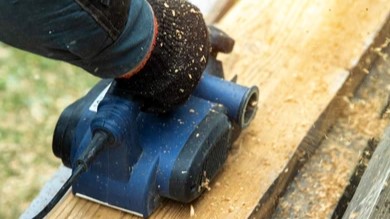
Ryobi Planer Features
1) Motor Power and Performance
The 15-amp motor in thickness planers provides adequate power for most home workshop applications reliably. While not matching premium 20-amp industrial models, Ryobi motors handle typical softwoods and moderate hardwoods effectively. Proper feed rates and reasonable cut depths prevent motor bogging and premature wear significantly.
Hand planer motors range from 5 to 6 amps delivering sufficient power for portable applications. Cordless models sacrifice some raw power for convenience though battery technology improvements narrow this gap. Most woodworkers find Ryobi hand planers adequate for fitting doors, smoothing surfaces, and light material removal.
2) Blade Systems and Maintenance
Ryobi thickness planers use two-blade systems spinning at high speeds for smooth finishes on wood. Premium three-blade systems cut slightly smoother but cost significantly more without dramatic performance improvements. Regular blade maintenance including cleaning and timely replacement ensures consistent quality throughout planer life.
Hand planers feature reversible blades extending usable life before replacement purchases become necessary annually. Blade changing systems prove straightforward though careful handling prevents dangerous cuts from extremely sharp edges.
3) Safety Features and Design
Modern Ryobi planers incorporate multiple safety features protecting users during operation and maintenance procedures. Magnetic blade grippers on thickness models facilitate safe blade removal without dangerous hand positions. Cutterhead locks prevent accidental rotation during blade changes reducing laceration risks significantly from sharp edges.
Hand planers include built-in kickstands protecting blades and workpieces when setting tools down temporarily. Lock-out keys on some models prevent unauthorized or accidental operation particularly important around children. Dust collection systems protect respiratory health while keeping workshops cleaner and more pleasant working environments.
Not sure which is right for you? Read our corded vs cordless planer guide.
Maximizing Ryobi Planer Performance
Proper Setup and Calibration
Invest time properly assembling and adjusting your planer according to manufacturer specifications before initial use. Level workbenches or planer stands ensure stable vibration-free operation producing consistent dimensional accuracy reliably. Apply paste wax to tables promoting smooth lumber feeding and preventing surface scratches.
Adjust infeed and outfeed tables carefully on thickness planers minimizing frustrating snipe at board ends. Most Ryobi models include adjustment mechanisms beneath tables enabling fine-tuning for optimal performance characteristics. Proper initial setup prevents most common complaints about budget planer performance and quality issues.
Maintenance Best Practices
Clean planers thoroughly after each use removing sawdust, pitch buildup, and debris from all surfaces. Compressed air blasts dust from hard-to-reach areas while soft brushes clean tables without scratching. Monthly inspections identify worn components before failures occur preventing project delays and expensive emergency repairs.
Sharpen or replace blades at first signs of dullness rather than waiting for obvious performance degradation. Dull blades strain motors, produce rough surfaces, and increase dangerous kickback risks during operation significantly. Keep spare blade sets enabling immediate swaps while dull blades undergo professional sharpening or replacement.
To learn how long planer blades typically last and how to extend their life with proper care, check out our full guide on how long planer blades last.
Comparison: Ryobi vs Competition
| Feature | Ryobi AP1305 | DeWalt DW734 | WEN 6550T |
| Price | $380-$420 | $420-$480 | $360-$420 |
| Motor | 15A | 15A | 15A |
| Blades | 2-knife | 3-knife | 2-knife |
| Weight | 73 lbs | 80 lbs | 62 lbs |
| Warranty | 3 years | 3 years | 2 years |
| CPI | 79 | 96 | 91 |
Conclusion
Selecting the best Ryobi planer depends on your specific project needs, budget constraints, and workspace requirements. The AP1305 thickness planer delivers exceptional value for home workshops processing moderate lumber volumes regularly. Cordless P611 hand planer offers remarkable convenience for portable applications while HPL52K provides corded reliability.
Ryobi planers punch well above their weight class delivering professional results at budget-friendly pricing. Research thoroughly, time purchases strategically, and maintain equipment properly ensuring years of reliable service.
FAQs
1) Are Ryobi planers suitable for beginners?
Yes, Ryobi planers are easy to use, budget-friendly, and ideal for beginners learning basic planing tasks.
2) Can Ryobi planers handle hardwood?
Most Ryobi planers can handle hardwood when used with shallow passes and proper blade maintenance.
3) What motor size do Ryobi planers usually have?
Ryobi corded planers typically feature powerful 15-amp motors for smooth and consistent material removal.
4) Are Ryobi cordless planers powerful enough?
Ryobi cordless planers provide sufficient power for light-duty tasks but are not meant for heavy stock removal.
5) Do Ryobi planers have dust collection?
Many Ryobi planers include dual chip exhaust or dust ports to help keep the workspace cleaner.